



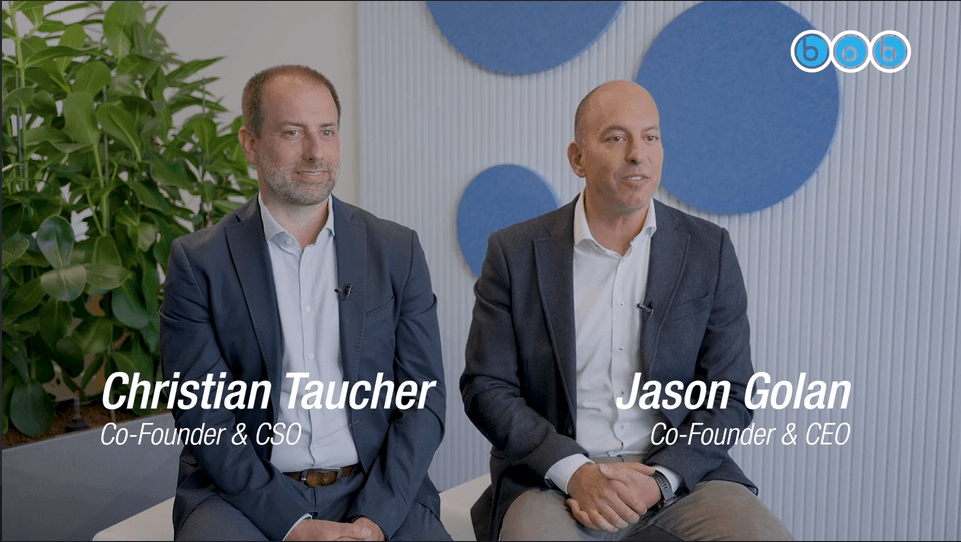
Jason Golan is the Chief Executive Officer and Co-Founder of Elaris, bringing over 20 years of experience in vaccine biotechnology and global healthcare. He has held senior leadership roles across development, commercial, and corporate strategy at Valneva and Intercell, contributing to the advancement and commercialization of multiple viral and bacterial vaccines. Jason leads Elaris’ strategy and execution as the company advances its lead vaccine program. He holds an MBA from Manchester Business School and a BSc from McGill University.

Preserving health and quality of life by preventing serious bacterial infections
Learn More
Our Mission
Elaris Is Building the Next Generation of Vaccines to Address Serious Bacterial Diseases With Significant Unmet Medical Need
As immune function declines with age, the risk and severity of bacterial infections increase, often leading to hospitalization, recurrent disease, antibiotic exposure, and loss of independence.
Vaccines have transformed public health — preventing millions of serious infections and saving lives every year. Elaris was created to extend that impact to bacterial diseases that continue to place the greatest burden on aging and vulnerable populations.
Company
Focused on Prevention, Driven by Science
At Elaris, we believe healthy aging begins with prevention. Rather than waiting to treat disease after it occurs, we are focused on stopping serious bacterial infections before they take hold—reducing hospitalizations, limiting antibiotic use, and helping address the growing challenge of antimicrobial resistance.
We are developing next-generation vaccine solutions to address one of the most persistent healthcare-associated infections worldwide.
Our lead program is a highly differentiated vaccine against Clostridioides difficile, a severe, hospital-acquired diarrheal infection that disproportionately affects elderly patients. Guided by rigorous science and a commitment to real-world impact, Elaris is advancing next-generation bacterial vaccines designed to preserve health and quality of life.
Management Team

Jason Golan
MBA, BSC
CEO and Co-Founder

Christian Taucher
PhD
CSO and Co-Founder

Julia Hinteramskogler
MSc
Head of Technical Development
Our Advisors

Ed J. Kuijper

Jan Poolman

Alexander
von Gabain

Christian
Policard

Thomas
Lingelbach
Our Science > Program
The Burden of C. Difficile
1M
Global Annual
CDI cases
1 in 11
Persons >65yo dies
within 1 month
≤30%
Recurrence in
antibiotic patients
$6.3b
Annual cost to US
healthcare system
Clostridioides difficile (C. difficile or C. diff) is a leading cause of severe diarrheal disease and one of the most common healthcare-associated infections worldwide. The disease can range from debilitating diarrhea to life-threatening complications, including colitis, sepsis, and death. More than one billion people globally are considered at risk, with over one million infections reported each year.
The severity and scale of the problem have led the U.S. Centers for Disease Control and Prevention (CDC) to classify C. difficile as an urgent public health threat.
C. difficile disproportionately affects elderly and hospitalized patients. Among individuals aged 65 and older, outcomes are particularly severe—approximately one in eleven patients who develop C. difficile infection dies, underscoring the vulnerability of aging and immunocompromised populations.
Paradoxically, antibiotics—the current standard of care—are also a major contributor to the disease. Antibiotic exposure disrupts the gut microbiome, increasing the risk of initial C. difficile infection by up to ten-fold. Even after successful treatment, more than 30% of patients experience recurrent disease, often facing repeated hospitalizations and prolonged illness. This cycle places a significant burden on patients and healthcare systems alike, with U.S. costs estimated to exceed $6 billion annually, driven largely by extended hospital stays, isolation measures, and resource utilization.
Vaccination offers the potential for a true paradigm shift. By preventing infection before it begins, vaccines could break the cycle of recurrence, reduce reliance on antibiotics, and meaningfully improve patient outcomes and quality of life—particularly for those most at risk.

Our Science > Vaccine
Elaris’ Dual Mode Vaccine Approach
C. difficile causes disease through a combination of bacterial colonization in the gut and the production of potent toxins that drive inflammation and tissue damage. Addressing only one of these mechanisms leaves patients vulnerable to infection or recurrence.
Elaris’s vaccine approach is designed to act through two complementary modes of action:
- Neutralizing disease-causing toxins to prevent the symptoms and severity of infection
- Targeting bacterial colonization to reduce the risk of infection and recurrence
By engaging the immune system on multiple fronts, our dual-mode strategy aims to provide broader and more durable protection than single-target approaches. This integrated design reflects the complex biology of C. difficile and supports our goal of preventing disease before it begins—particularly in vulnerable, high-risk populations.


News
You can find our latest news below. Please visit our LinkedIn profile for regular Updates.
2026
Elaris Advances C. difficile Vaccine Beyond Toxin-Only Approaches with Matrivax Asset Acquisition, May 05, 2026 German Version
Elaris Secures Exclusive Global License from Valneva for C. difficile Vaccine Program, March 18, 2026 German Version
2025
Elaris Wins Best of Biotech "Best Biotech Start-Up 2025", October 10, 2025
Best of Biotech Winners 2025
Supported By